





Top 20 SUVs and Electric Cars to Watch in 2025
Explore the transformative shift in the automotive industry as electric vehicles, particularly SUVs, gain traction leading up to 2025. This blog delves into the reasons for their rising popularity, including advancements in technology, changing consumer preferences, and environmental concerns. Learn about key models to watch and the essential features prospective buyers should consider. Discover how market trends are reshaping the automotive landscape and how the future of electric SUVs aligns with sustainability goals and technological innovations.

Introduction
The automotive industry is experiencing a significant transformation, with a notable shift towards electric vehicles (EVs) and sport utility vehicles (SUVs). As we approach the year 2025, these categories are expected to capture a larger share of the market, driven by advances in technology, changing consumer preferences, and government regulations aimed at reducing carbon emissions. The surge in demand for electric cars, particularly in the SUV segment, demonstrates a growing inclination among consumers for eco-friendly alternatives without compromising on space, comfort, and performance.
Historically, SUVs have been popular due to their versatility, offering ample cargo space and a commanding road presence. With the advent of electric cars, manufacturers have begun to introduce innovative models that blend the practicality of SUVs with the sustainability of electric drivetrains. This evolution is not merely a trend but a fundamental shift that reflects an increasing awareness of environmental issues and the need for energy-efficient modes of transportation. As a result, future electric SUVs are expected to become mainstream, appealing to a broader audience, including families and urban commuters.
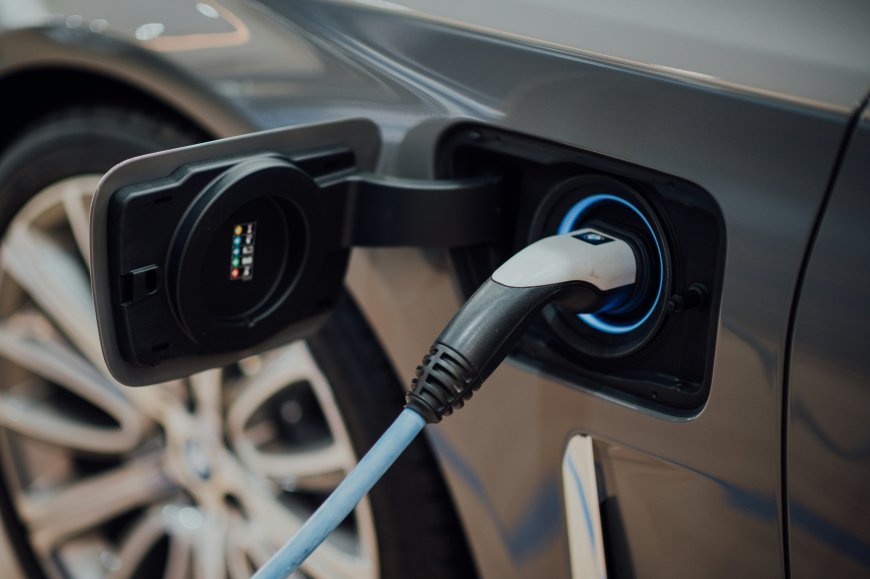
Furthermore, the expansion of charging infrastructure and improvements in battery technology are making electric cars more accessible and convenient for everyday use. Range anxiety, once a considerable concern for potential EV owners, is being mitigated by ongoing developments in battery efficiency. Also, many consumers now prioritize not only fuel efficiency but also innovation features like autonomous driving capabilities, smart connectivity, and advanced safety systems, enhancing the appeal of electric SUVs.
As we delve deeper into the electric cars and SUVs poised to make an impact in 2025, it is essential to consider how these vehicles align with the broader trends in sustainability and technology. The following sections will explore the top models expected to lead the charge in this exciting new automotive landscape.
The Rise of Electric SUVs
The automotive industry has witnessed a significant shift toward electric vehicles, particularly in the realm of SUVs. With an increasing focus on environmental sustainability, consumers are drawn to the advantages that electric powertrains provide. Key benefits include reduced carbon emissions, lower operating costs, and governmental incentives promoting electric vehicles. This growing trend is an indicator of the changing preferences among car buyers, who are now looking for options that align with eco-friendly practices while retaining functionality and space.
Electric SUVs, which offer the spaciousness and utility traditionally associated with larger vehicles, have become increasingly popular. Their robust size and versatility make them appealing to families as well as individual consumers seeking a vehicle that meets various lifestyle demands. Moreover, many manufacturers are innovating, providing consumers with electric options that do not compromise on performance. The acceleration capabilities and torque provided by electric powertrains allow these larger vehicles to maintain dynamic driving experiences without the drawbacks often associated with traditional combustion engines.
The response from automakers has been significant, with numerous major brands investing heavily in the development of electric SUVs. These manufacturers understand the demand for larger vehicles equipped with eco-friendly technology and are committed to meeting this consumer desire. Exploring the benefits of electric SUVs reveals their practicality, as they can often accommodate diverse passenger and cargo needs while promoting a cleaner environment. As battery technology improves and charging infrastructure continues to expand, the advantages of electric SUVs will become even more pronounced.
As we look forward to 2025, it is clear that electric SUVs will play an essential role in the automotive landscape, providing a bridge between sustainability and consumer demands for larger, versatile vehicles. This commitment to electric powertrains signifies a pivotal shift in how we perceive personal transportation and its impact on the environment.
Key Features to Consider in 2025 SUVs
As the automotive industry evolves, prospective buyers of 2025 SUVs and electric cars must remain informed about the crucial features that will define their options. One of the primary aspects to look for is advanced safety technology. In recent years, manufacturers have made substantial investments in developing comprehensive safety suites that include adaptive cruise control, lane-keeping assistance, and automated emergency braking. These features not only enhance driver confidence but also contribute significantly to accident prevention, thus making them essential for anyone considering an SUV or electric car.
Another vital area is the infotainment system. As technology integrates further into daily life, buyers should expect User Interface (UI) upgrades to be at the forefront of vehicle design. Look for large, touchscreen interfaces that support smartphone integration, voice control, and over-the-air updates that keep the software current. SUVs in 2025 are likely to offer not only entertainment but also seamless connectivity that improves the overall driving experience.
Comfort and space remain paramount when considering an SUV; spacious interiors with high-quality materials will likely be a priority for manufacturers. Features like adjustable seating, customizable cargo space, and enhanced climate control systems can significantly improve comfort in these vehicles. Additionally, for those leaning towards electric cars, evaluating the driving range is essential. Buyers should look for electric vehicles (EVs) that offer competitive ranges to alleviate concerns about charging frequency. Ideally, a range exceeding 300 miles would be advantageous for practical daily use.
Moreover, performance capabilities will be a critical aspect as consumers increasingly prefer vehicles that can offer both power and efficiency. Electric SUVs that deliver high torque and swift acceleration will appeal to those looking for an exciting driving experience while minimizing environmental impact. Overall, carefully considering these features will empower buyers in making informed decisions when shopping for their next SUV or electric car in 2025.
Top 10 SUVs to Look Out For in 2025
As we look ahead to 2025, the automotive industry is gearing up for a transformative year, especially in the SUV segment. Numerous manufacturers are committed to introducing innovative and efficient models, aiming to capture consumer interest with cutting-edge technology and enhanced performance. Here are ten SUVs to keep an eye on:
1. Tesla Model Y: The 2025 iteration of this electric SUV promises increased range and advanced autonomous features. Notably, its spacious interior and superior handling have made it a favorite among electric cars enthusiasts.
2. Ford Mustang Mach-E: With its sporty design, the Mach-E combines the spirit of the Mustang with electric performance. The upcoming version is anticipated to amplify its horsepower and expand battery options, making it a formidable competitor in the electric cars market.
3. Rivian R1S: As an electric SUV designed for adventurous lifestyles, the R1S will showcase upgraded off-road capabilities and cutting-edge tech integration, appealing to outdoor enthusiasts who value sustainability.
4. Hyundai Ioniq 7: This electric SUV is set to impress with its spaciousness and fast-charging capabilities, making it a practical choice for families who prioritize both comfort and sustainability.
5. Canoo Lifestyle Vehicle: Innovative in design, the Canoo SUV focuses on space efficiency and functionality. Its features are tailored for urban dwellers who seek a reliable and versatile vehicle.
6. Nissan Ariya: Known for its stylish exterior, the Ariya is expected to elevate the Nissan brand, offering impressive performance and a suite of driver-assistance technologies.
7. Chevrolet Equinox EV: This electric version of the popular Equinox aims to deliver robust performance and spacious interiors, making it an excellent choice for those seeking an economical SUV alternative.
8. Volkswagen ID.4: The ID.4 has garnered positive reviews for its electric driving experience. The 2025 model is poised to include enhanced battery life and more advanced tech features.
9. BMW iX3: As BMW’s first electric SUV, the iX3 focuses on performance and luxury. The 2025 model is expected to enhance its electric driving range while maintaining the brand's hallmark driving dynamics.
10. Volvo XC40 Recharge: With an emphasis on safety and sustainability, the XC40 Recharge amps up electric capabilities while retaining Volvo’s reputation for quality and comfort.
These upcoming models represent a diversity of options in the SUV category, demonstrating how industry leaders are responding to the growing demand for electric cars. Each of these vehicles is expected to play a crucial role in shaping the future of the SUV market, combining advanced technology with environmentally friendly performance.
Top 10 Electric Cars of 2025
As we look ahead to 2025, the electric car market continues to evolve, with numerous models anticipated to capture consumer interest. Among these, ten electric cars stand out due to their innovative technology features, impressive battery life, and advanced charging options, appealing to a wide range of demographics.
Firstly, the Tesla Model Y is expected to solidify its position as a market leader, offering a remarkable range coupled with rapid acceleration. Known for its cutting-edge technology and over-the-air software updates, this electric SUV is designed for families seeking both space and efficiency.
Next, the Ford Mustang Mach-E is poised to attract younger consumers with its sleek design and robust performance. This electric SUV not only offers impressive torque but is also equipped with an intuitive infotainment system, making it a tech-savvy option for electric car enthusiasts.
The Hyundai Ioniq 6 represents the growing trend toward aerodynamic design in electric vehicles. Its optimized battery management system ensures long-distance travel capabilities, appealing to those concerned with battery longevity and charging convenience. Those seeking a balance of performance and utility will find this electric car appealing.
Chevrolet's Equinox EV is set to enter the competitive SUV market with an emphasis on affordability without sacrificing features. It is expected to provide consumers with multiple charging options, making it accessible for users who may not have easy access to home charging infrastructure.
Volkswagen is also stepping up with the ID.4, an electric SUV that combines versatility with eco-friendliness. This model targets environmentally-conscious buyers looking for a reliable vehicle that does not compromise on comfort or style. With space for passengers and cargo alike, it is ideal for both urban and rural settings.
As we assess other notable mentions, the Kia EV6 brings a futuristic design aesthetic while prioritizing technology and sustainable practices. Equipped with rapid charging capabilities, it stands to appeal to tech enthusiasts who value efficiency.
The Nissan Ariya, another contender, is designed with a focus on comfort, advanced safety features, and a user-friendly interface, attracting families looking for a spacious yet compact option in the electric vehicle sector.
Additionally, the Rivian R1T has garnered attention for its rugged capabilities, catering to outdoor enthusiasts who require durability and battery performance in a turbulent environment. This emphasis on adventure positions it uniquely within the electric car landscape.
Finally, the Lucid Air aims to redefine luxury in the electric car segment with its unparalleled performance and opulent interior. It targets affluent consumers seeking cutting-edge technology paired with a lavish experience.
In analyzing these top ten electric cars, it's clear that innovation and consumer demands will shape the landscape significantly by 2025, creating diverse options for potential buyers based on their unique needs and preferences.
The Role of Technology in SUVs and Electric Vehicles
As the automotive industry continues to evolve, the integration of advanced technology plays a pivotal role in shaping the future of SUVs and electric cars. Innovations in the realm of autonomous driving technology are at the forefront of this transformation, enabling vehicles to navigate complex environments with minimal human intervention. Companies are investing heavily in sensor systems and machine learning algorithms, allowing electric cars to communicate with their surroundings and other vehicles, ultimately enhancing safety and efficiency on the roads.
Artificial intelligence (AI) is also revolutionizing the way in which SUVs and electric vehicles operate. AI-driven systems can optimize vehicle performance by adjusting to driving habits, assessing road conditions, and offering personalized recommendations for improving fuel efficiency. Furthermore, these systems can assist in predictive maintenance, alerting drivers to potential issues before they escalate, thus prolonging the lifespan of electric vehicles and reducing the overall cost of ownership.
Connectivity features are becoming increasingly prominent in modern SUVs and electric cars, making them more integrated with users’ digital lifestyles. Innovations such as real-time traffic updates, advanced infotainment systems, and mobile app integration allow drivers to manage their vehicles more efficiently. For instance, these features enable users to precondition their electric vehicles, schedule charging times, and locate available charging stations, enhancing overall convenience and usability.
Moreover, eco-friendly innovations are transforming the design and functionality of SUVs and electric cars. Manufacturers are focusing on using sustainable materials, improving energy-efficient drivetrains, and enhancing battery technologies. These advancements not only contribute to reducing the carbon footprint but also promise to boost performance metrics such as speed and range, making electric cars an appealing choice for consumers.
In conclusion, the technological advancements in SUVs and electric vehicles are manifold and critical to their evolution. As the automotive landscape shifts towards more eco-friendly solutions, these innovations will play a key role in delivering enhanced safety, performance, and user experience.
Environmental Impact and Sustainability
The environmental considerations surrounding SUVs and electric cars are critical in evaluating their long-term sustainability. Traditionally, SUVs have been criticized for their larger carbon footprints due to higher fuel consumption compared to smaller vehicles. However, the emergence of electric SUVs has begun to shift this narrative. Electric cars, including SUVs, are designed to operate with zero tailpipe emissions, significantly reducing the greenhouse gases associated with conventional vehicles.
One of the primary environmental concerns in the production of electric vehicles is the manufacturing process of their batteries. The extraction of lithium, cobalt, and nickel, essential components for battery production, can result in substantial environmental degradation. In response, many automakers are investing in more sustainable practices, such as responsible mining operations and the development of alternative battery technologies. Additionally, efforts are under way to increase the lifespan of these batteries and improve recycling processes. Effective battery recycling is critical for minimizing waste and reducing the need for raw material extraction.
Furthermore, government regulations play a significant role in promoting electric vehicle use for sustainability. Many countries are implementing stricter emissions standards and offering incentives for consumers to purchase electric cars, including SUVs. These measures aim to discourage the use of fossil fuel-powered vehicles and encourage a shift toward more sustainable transportation options. The transition to electric power, coupled with renewable energy sources, presents a promising pathway for reducing the overall environmental impact of the automotive industry.
Overall, while the environmental impact of SUVs and electric cars must be carefully managed, advancements in technology, sustainable practices, and supportive government policies can work together to enhance their overall sustainability and mitigate their negative effects on the environment.
Market Trends and Consumer Preferences for 2025
As we look towards 2025, the SUV and electric car markets are becoming increasingly intertwined, driven by evolving consumer preferences and significant market trends. More consumers are shifting towards electric options, leading manufacturers to integrate electric drivetrains into traditional SUV designs. This shift is indicative of a larger trend where buyers are attracted to vehicles that offer both sustainability and practicality.
Demographics play a crucial role in shaping the market. Younger generations, particularly millennials and Gen Z, are prioritizing sustainability in their purchasing decisions. This emerging buyer demographic is more inclined to choose electric cars over traditional gas-powered vehicles. Additionally, urban dwellers are gravitating towards SUVs that not only offer generous space for families but also meet environmental standards. The appeal of electric SUVs lies in their dual capability of accommodating lifestyle needs while adhering to ecological values.
The impact of economic factors cannot be overlooked. In 2025, rising fuel prices and potential economic fluctuations may compel consumers to consider electric cars as a viable alternative to traditional vehicles. Incentives from governments aimed at encouraging electric vehicle purchases further enhance this trend, making electric SUVs financially attractive. As charging infrastructure expands, reservations about range anxiety are being mitigated, resulting in consumers feeling more empowered to opt for electric solutions.
Shifts in societal attitudes toward climate change and sustainability are driving more consumers to consider eco-friendly vehicles. The integration of advanced technology in electric cars, such as enhanced safety features and automated driving capabilities, adds to their allure. Consequently, manufacturers are investing heavily in research and development to create more efficient and appealing SUVs that fulfill the demand for electric configurations. This growing commitment to electric cars illustrates a significant transformation in consumer preferences that will shape the automotive market landscape well beyond 2025.
Conclusion: The Future of SUVs and Electric Vehicles
As the automotive industry continues to evolve, the focus on SUVs and electric cars has become increasingly significant. The growing demand for electric vehicles (EVs) is driving innovation and transforming the market landscape. Consumers are prioritizing environmentally friendly options, which has led manufacturers to enhance their electric car offerings, especially in the SUV segment. This shift reflects a broader commitment to sustainability and reducing carbon footprints.
Looking ahead to 2025, we anticipate a surge in the availability of electric SUVs, boasting improved battery technologies, longer ranges, and faster charging capabilities. These advancements are likely to make electric cars more appealing to a wider audience, as potential buyers are forecasted to prioritize practicality alongside sustainability. Various manufacturers will focus on developing models that cater to different market segments, ensuring that there will be an electric SUV option available for every type of consumer.
In addition to technological innovations, we can also expect design enhancements that align with the modern trends towards minimalism and efficiency. Electric cars are likely to showcase futuristic aesthetics, integrating advanced driving assistance systems and smart connectivity features. Furthermore, the integration of renewable energy sources into home charging solutions could further incentivize consumers to transition to electricity-driven vehicles.
The evolution of SUVs and electric cars is not merely about the vehicles themselves; it encapsulates a larger societal movement towards sustainability and resilience. Automakers are investing significantly in research and development, emphasizing the importance of innovation in shaping the future. Therefore, staying informed about new releases and advancements in electric vehicles will be invaluable for consumers and enthusiasts alike, guiding them in making educated choices as this dynamic market unfolds.
What's Your Reaction?
 Like
0
Like
0
 Dislike
0
Dislike
0
 Love
0
Love
0
 Funny
0
Funny
0
 Angry
0
Angry
0
 Sad
0
Sad
0
 Wow
0
Wow
0